Trauma is not just a past memory but lives on as physical and emotional reactions in the present. It is rooted in the emotional brain and expressed through the body rather than through rational thought. Healing happens by restoring balance between the rational and emotional brain—through awareness, presence, and learning to gently befriend our inner experience.
As Bessel van der Kolk describes in his quote, emotional pain and traumatic memories can be held in the body long after a traumatic experience has occurred. For some of us, it can feel like the trauma is remembered much less in words and more so with feelings that occur in the body. These bodily sensations associated with trauma can overwhelm the nervous system and our coping skills, which can result in a profound and lasting sense of vulnerability and a lack of safety and control. As Bessel van der Kolk aptly describes it… “the body keeps the score”.
Trauma deeply affects the body and nervous system, which is why effective healing approaches must include the body—not just the mind. Neuroscience shows that trauma can reduce our ability to sense and feel the present moment, disconnecting us from bodily awareness. Trauma Sensitive Yoga supports recovery by gently rebuilding this connection through movement, breath, and mindful attention.
By cultivating interoception—the ability to sense what is happening inside the body—Trauma Sensitive Yoga helps individuals notice sensations, emotions, and choices as they arise. Learning that sensations change, peak, and pass builds resilience and increases tolerance for both physical and emotional discomfort, supporting a renewed sense of safety and presence.
In sessions, participants are invited to make empowered choices based on what they feel in the moment, within a safe and supportive environment. The practice uses accessible postures, natural breathing, and trauma-aware language to release tension, regulate the nervous system, and reconnect body, mind, and inner resources.
Trauma Sensitive Yoga is especially supportive for people living with PTSD, complex or developmental trauma, but is accessible to everyone. No prior yoga experience or flexibility is required, and practices can be adapted for limited mobility as well as active bodies.
At House for Positive Change we offer TCTSY (Trauma Center Trauma Sensitive Yoga), a clinical, evidence-based form of yoga developed specifically to support people living with trauma, PTSD, and complex trauma, with a strong focus on safety, choice, and body awareness.
To make these sessions affordable for the more vulnerable amongst us, we use a three-rate income system to determine the cost. This includes your main income, any additional earnings, and the income of a partner, if relevant.
Trauma Sensitive Yoga is a gentle, supportive practice designed to meet you where you are. However, if you are currently experiencing acute trauma, severe psychological distress, or a medical condition that limits movement, please consult with us beforehand to ensure the session is safe and appropriate for you.
You can reach us at elianne@houseforpositivechange.com
No, Trauma Sensitive Yoga is accessible to beginners and experienced practitioners alike. The focus is on creating a supportive and non-judgmental environment for each individual's unique experience.
Full sessions last about 50 - 60 minutes. However, before proceeding we’ll meet for an exploratory session of approximately 20 minutes on Zoom, to get to know each other. I’ll aim to find out what’s motivating you and determine if my guidance is appropriate for your situation. You’ll also have the chance to see if you feel comfortable with me. There’s no obligation, and no costs involved with this initial meeting, so if there doesn’t seem to be a match, then you’ve lost nothing finding out.
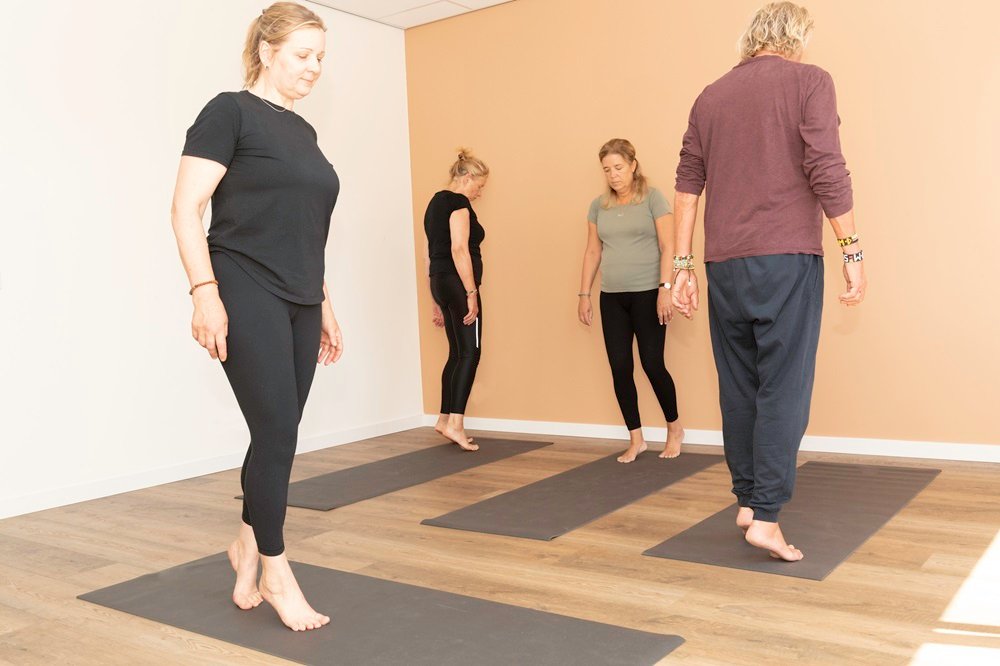
Trauma Sensitive Yoga offers a gentle, compassionate practice focused on safety, choice, and body awareness. The facilitator practices alongside you without physical adjustments, inviting you to notice sensations and make choices based on what feels right in the moment. Sessions emphasize predictability, autonomy, and non-judgment, helping you gradually reconnect with your body as a safe, trustworthy place—supporting self-awareness, regulation, and deeper connection over time.
Some benefits of Trauma Sensitive Yoga include increased body awareness, emotional regulation, stress reduction, improved self-esteem, and a sense of safety and empowerment in the body. It can also aid in healing from trauma-related symptoms.
You can start by attending an Trauma Sensitive Yoga session, class or workshop offered by certified instructors. It's recommended to have an initial exploratory session to discuss your goals, motivations, and ensure that Trauma Sensitive Yoga is a suitable approach for you.
Yes, Trauma Sensitive Yoga is inclusive and can be adapted to accommodate various physical abilities and challenges. The focus is on gentle movement and mindfulness, making it accessible to individuals with diverse needs.
Trauma Sensitive Yoga helps in healing from trauma by providing a safe and supportive environment for individuals to reconnect with their bodies, regulate emotions, and develop resilience. The mindful practices in Trauma Sensitive Yoga promote self-awareness and empowerment.
Within twenty-four (24) hours before the start of the session.